Feel Better Daily with Wellness That Sustains You

Ways We Support Your Wellness

Sustainable Wellness Coaching
1:1 coaching to build realistic routines for energy, stress, movement, and sleep—plus eco-friendly swaps that fit your life. You’ll get a simple plan, weekly check-ins, and progress tracking without overwhelm.
Plant-Forward Nutrition Planning
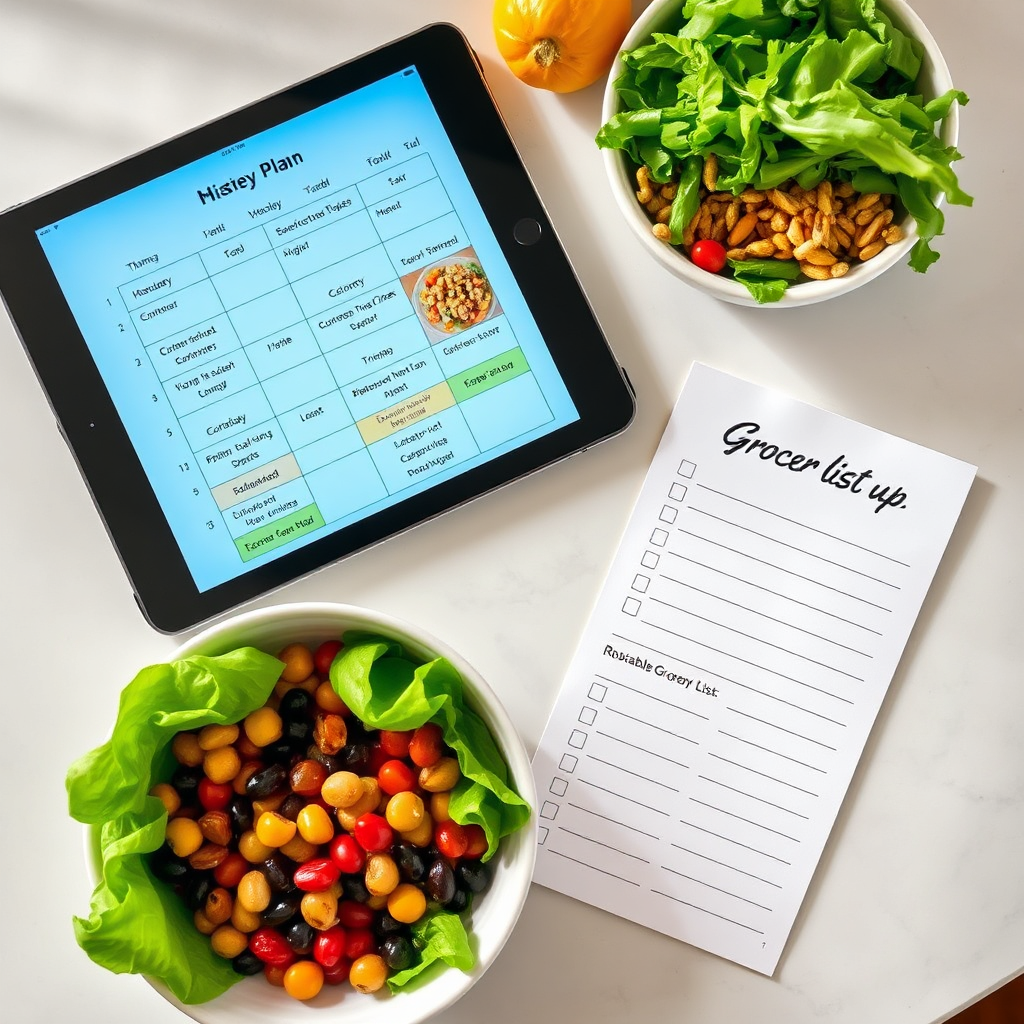
Personalized meal planning with plant-forward recipes, grocery lists, and batch-cooking strategies tailored to your schedule, preferences, and budget. Focused on fiber, protein balance, and reducing food waste.
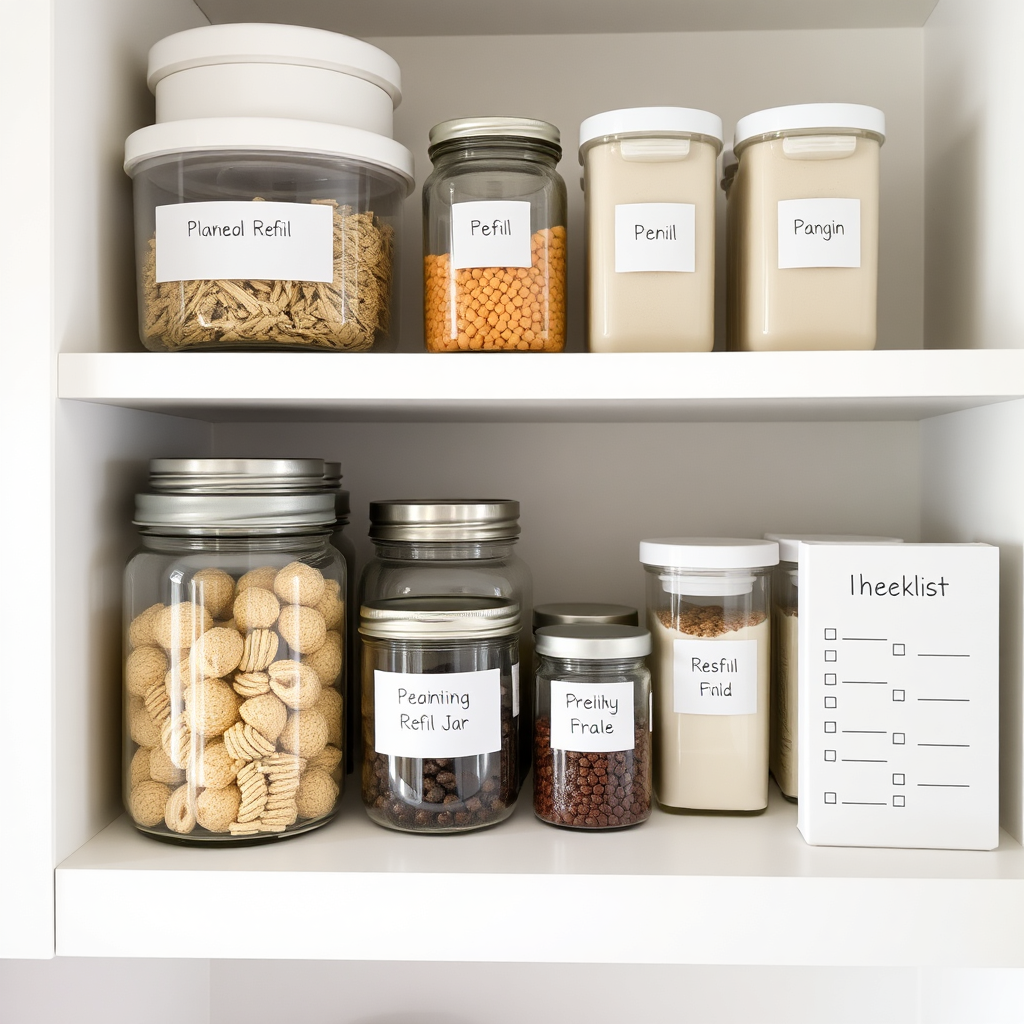
Low-Waste Lifestyle Reset
A guided reset of your daily essentials—kitchen, bathroom, and routines—to cut waste and simplify choices. We prioritize high-impact, low-effort changes so you save money, reduce clutter, and feel more in control.
Sustainable Healthy Living: Habits for Mind, Body & Planet
Design a 10-minute reset
Create a daily “minimum viable routine”: water, sunlight or a short walk, and a quick tidy. Attach it to an existing cue (coffee, commute, bedtime). This reduces decision fatigue, stabilizes energy, and keeps your home calmer with less impulse buying and clutter.


Build your low-stress week
Use a weekly template: 3 priorities, 2 recovery blocks, 1 planning session. Schedule rest like an appointment and choose one friction reducer (prepped snacks, packed gym bag, calendar reminders). Consistency improves when your plan anticipates real-life disruptions.
Swap convenience for reusables
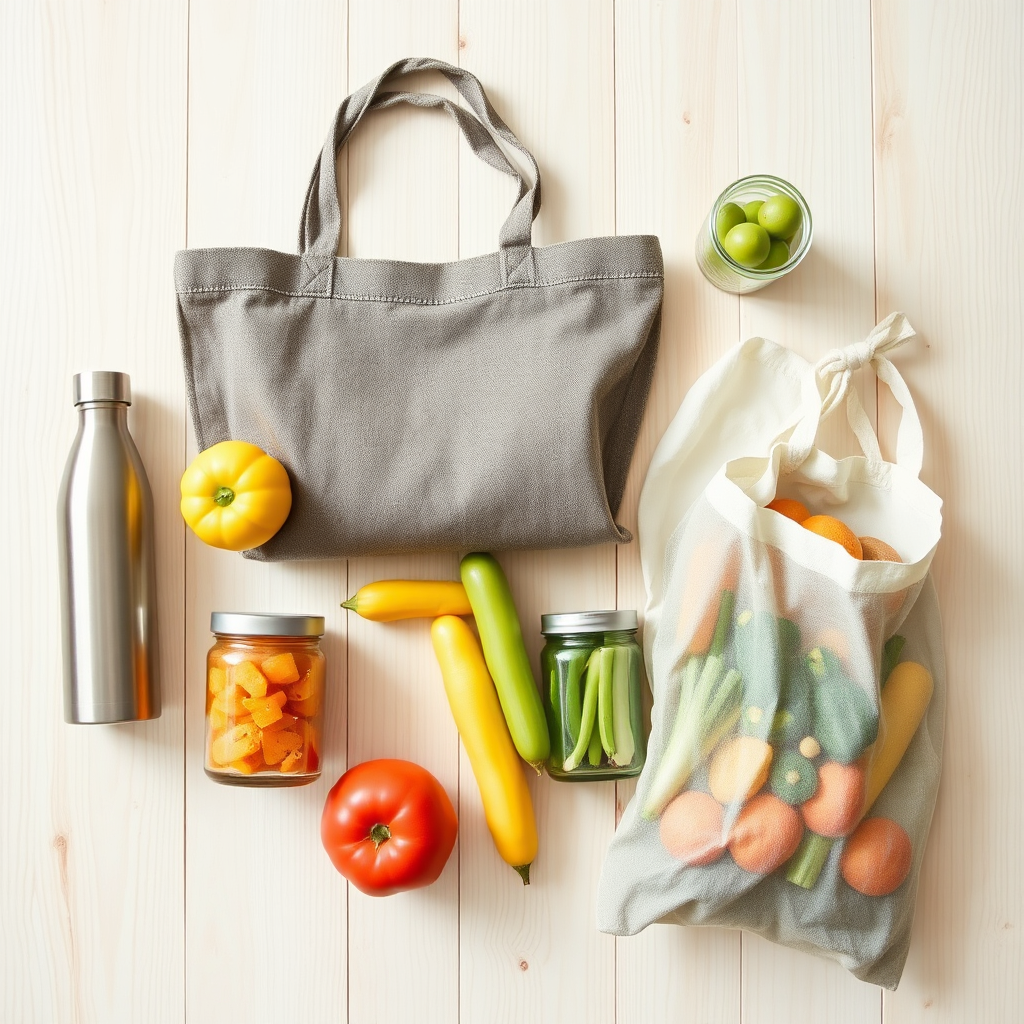
Pick one “high-impact” swap at a time: refillable bottle, reusable shopping kit, or bulk-bin jars. Keep it visible and easy to grab. Fewer single-use items means less waste and fewer last-minute purchases, while the habit becomes automatic through repetition.
Eco-Friendly Nutrition: Plant-Forward Eating, Planning & Shopping

Plan meals around plants
Start with a plant “base” (beans, lentils, tofu, whole grains) and add flavor builders (herbs, sauces, roasted veggies). Aim for 2–3 plant-forward dinners weekly, then scale up. This supports fiber, heart health, and a lower-emissions plate without feeling restrictive.
Shop with a 5-item rule
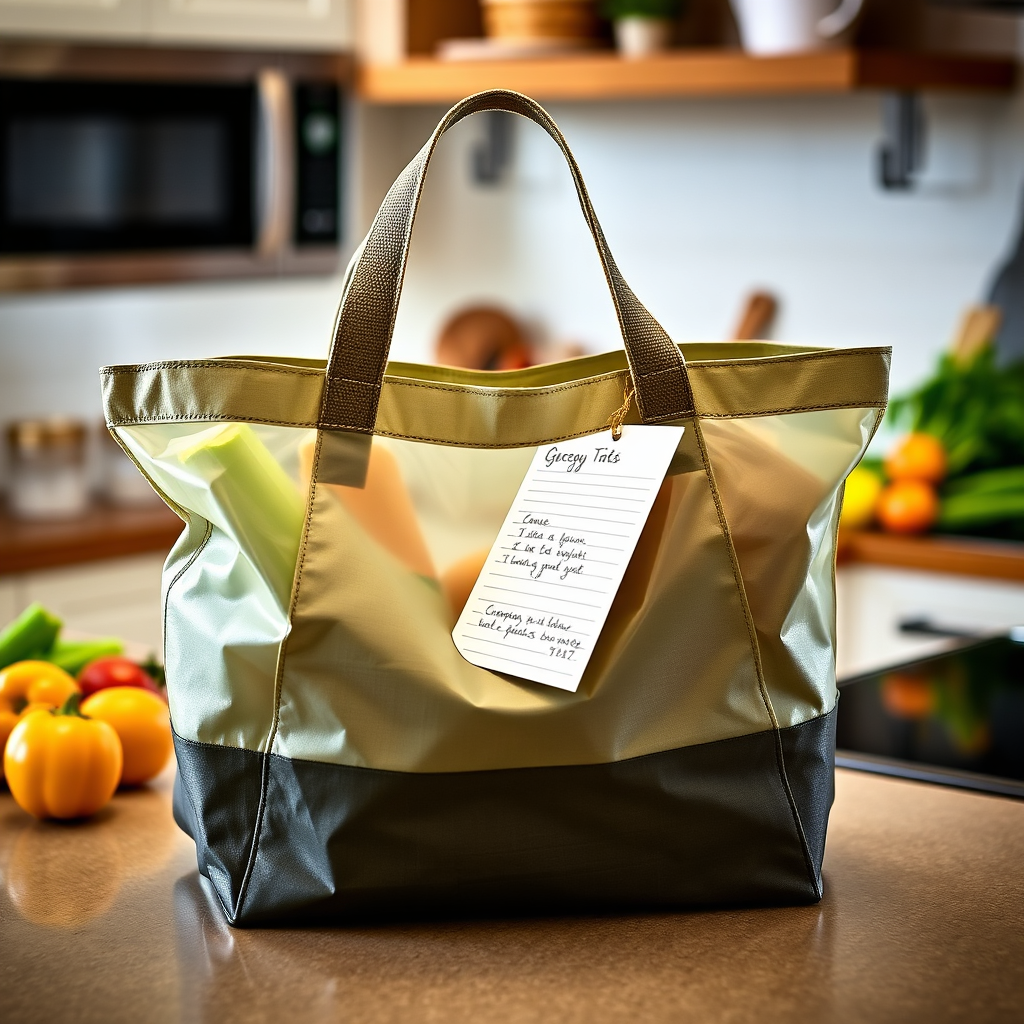
Reduce food waste by buying just five perishable items per week (greens, fruit, two vegetables, one fresh protein) plus pantry staples. You’ll finish what you buy, save money, and simplify decisions—while still eating varied, nutrient-dense meals.
Cook once, eat three ways
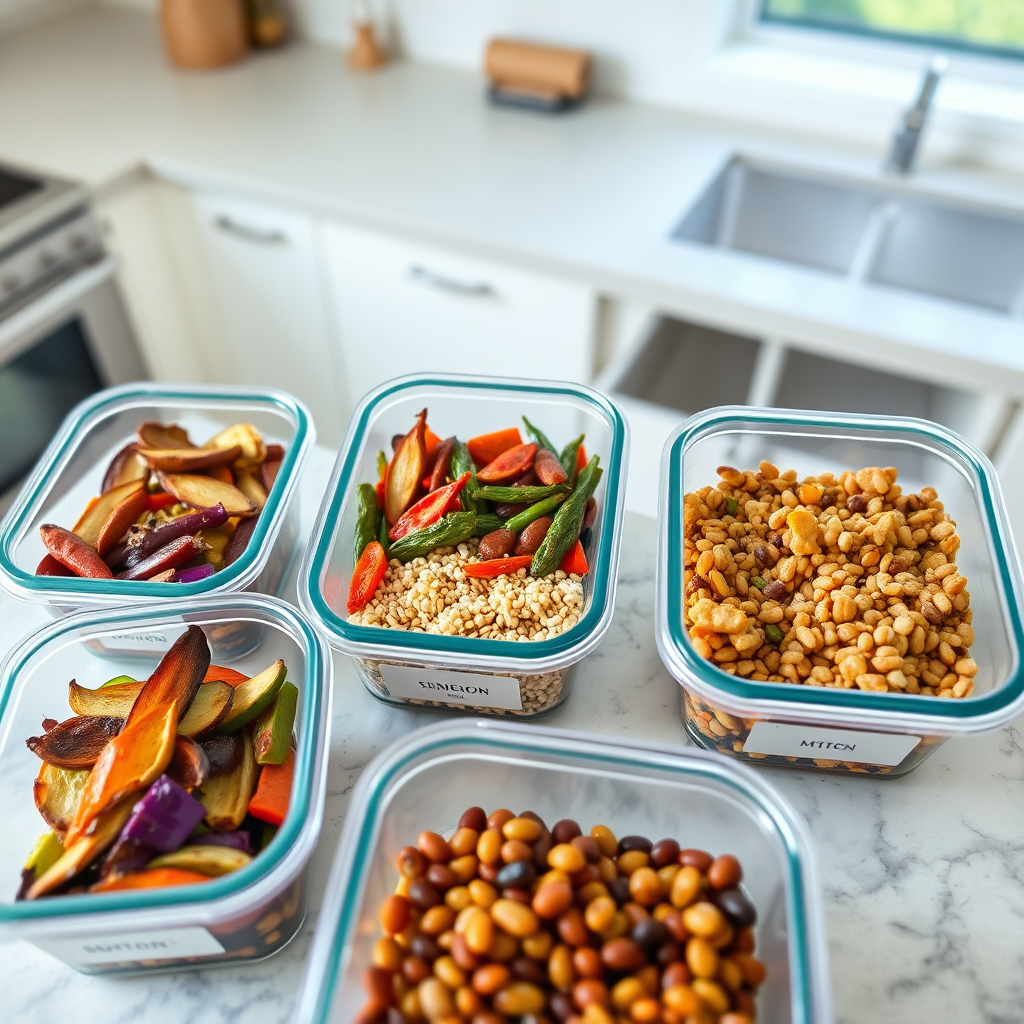
Batch one component (roasted veggies, a grain, or a bean pot) and remix it into three meals: salad, stir-fry, and wrap. Store in clear containers and label dates. This cuts takeout, reduces packaging, and keeps you fueled on busy days.
Low-Waste Fitness & Self-Care: Greener Routines That Stick
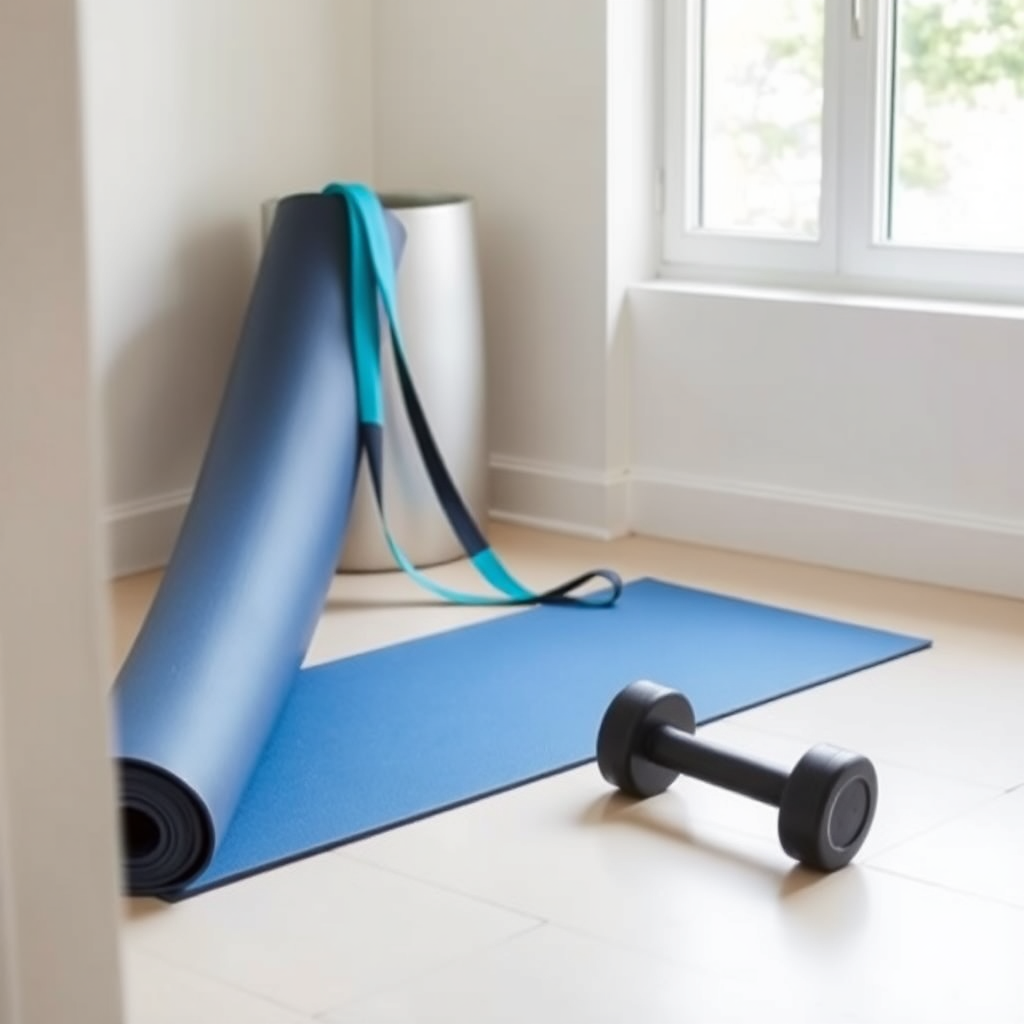
Train with minimal gear
Build strength using bodyweight, a resistance band, and one adjustable weight. Choose full-body sessions 2–3x/week and track reps for progress. Less equipment reduces cost and clutter, and a simpler setup makes it easier to stay consistent at home or outdoors.

Choose refillable self-care
Switch to fragrance-free, refillable basics: cleanser, moisturizer, and SPF. Buy larger refills or concentrates and keep a small “finished products” box to track what you truly use. This prevents half-used bottles, reduces plastic, and supports sensitive skin routines.

Make recovery non-negotiable
Set a nightly wind-down: screens off 30 minutes before bed, light stretching, and a consistent sleep window. Pair recovery with a low-waste ritual (herbal tea in a mug, reusable eye mask). Better sleep improves cravings, mood, and training results.
Client Success Stories
I wanted better energy without buying a bunch of new products. The habit plan was simple and realistic, and the meal-prep strategy cut our food waste in half within a month.
I’ve tried strict routines before and always quit. This approach focused on small steps and tracking what mattered. I’m sleeping better, training twice a week, and my kitchen is finally organized.
The plant-forward meal plan made it easy to hit protein goals without feeling restricted. Grocery shopping is faster, I spend less on impulse snacks, and I feel calmer knowing I’m making greener choices.